In December 2024, my friend invited me to Afrika Dag in Amsterdam, a vibrant gathering that encapsulates the essence of African culture and stories. Knowing my deep connection to Africa, she insisted I attend, and despite the biting cold, I journeyed there with high hopes. Upon arrival, I was struck by the bustling atmosphere; the small venue was packed with students, various organizations, businesses, and even some members of the European Parliament. As always, the event had different themes, and I gravitated towards the session on Congo. It was a subject that had long puzzled me, especially regarding the Congo War. Surprisingly, I learned a survivor would share her story and felt compelled to listen.
Her vibrant smile caught my attention as she took her place on a high, uncomfortable chair. Her expressive eyes seemed to tell a story of resilience even before she spoke. When her moment came, she took a deep breath and, with unwavering courage, began to share the harrowing experiences of Congolese refugee women and girls in Uganda. Her voice, filled with emotion, resonated in the room as she described their suffering with stark clarity. "Please help us. Help the women. They are suffering, and they are many," she pleaded, and it felt as if her words were directed at me personally. I didn't know how I could help, but one thing I knew was that I could at least listen to her story.
After her poignant presentation, I contacted her — her name was Faridah. We connected and arranged to meet over Zoom the following Monday to continue the storytelling. When the day arrived, we logged in as promised. I was unprepared for the depth of her narrative. We spoke for six hours, never stepping away from the screen; our emotions were raw and honest. It felt like two African women were bridging the gap of pain and healing outside of our homeland, Africa. One was releasing the burden of her past, while the other offered a space to breathe.
Faridah's life story unfolded like a harrowing film. She recounted her childhood trauma—how her family imprisoned her and ultimately sold her. As a young girl, she had no rights, only the duty to serve those around her. During the Christmas holiday, I replayed her story repeatedly in my head, unable to work or focus. The emotional weight became too much until a friend suggested we create a documentary about Faridah's life.
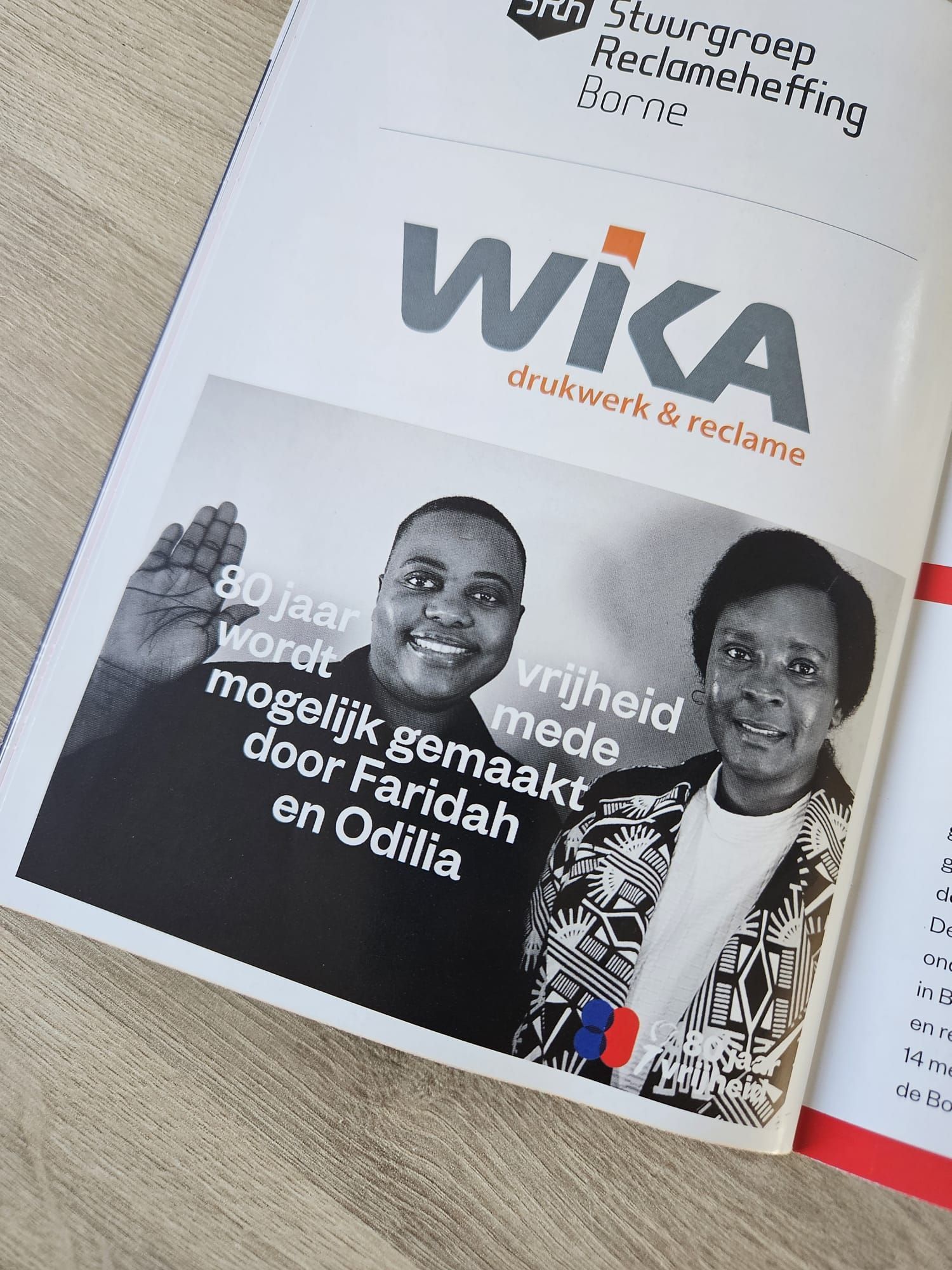
We aim to share Faridah's journey with the world, bridging understanding and compassion among people in the Netherlands about the privileges they often take for granted. More importantly, we wish to highlight the profound meaning of freedom experienced by individuals from diverse backgrounds.
For Faridah, freedom signifies the absence of fear and the ability to make choices about her own life. After enduring problems and trauma—including torture, abuse, and the denial of fundamental rights—her vision of freedom represents a transformation, reclaiming her identity and sharing her powerful survival story. Access to education is a cornerstone of this freedom. It empowers her to develop skills, gain knowledge, and pursue her aspirations. Such opportunities have often been out of reach due to her past circumstances. Freedom means shaping her future, aspiring to her dreams, and contributing positively to her community.
Faridah's freedom is not merely an escape from oppression; it embodies hope, healing, and the chance to rebuild her life. It is a journey of empowerment that allows her to find her voice in a world that once silenced her and to help others facing similar challenges find their own paths to freedom. You might wonder why I'm sharing Faridah's story. As a storyteller dedicated to amplifying the voices of ordinary African people through my podcast, Sauti ya Afrika (Voice of Africa), I believe her narrative deserves to be told and retold. It challenges us to reflect on human dignity, the true essence of freedom, and how precious it is.