
Educultural Travel To Africa
Ethical, Credit-Aligned Field Learning.
We partner with families, schools, and Universities
To offer an enriching cultural exchange program for Students, both physically and virtually, through co-creative community workshops, cross-cultural learning, and dialogue that promote cultural understanding, civic agency, and innovation.
We take the burden off your shoulders by arranging your itinerary and accommodation so you can focus on your primary goal- cultural exchange.

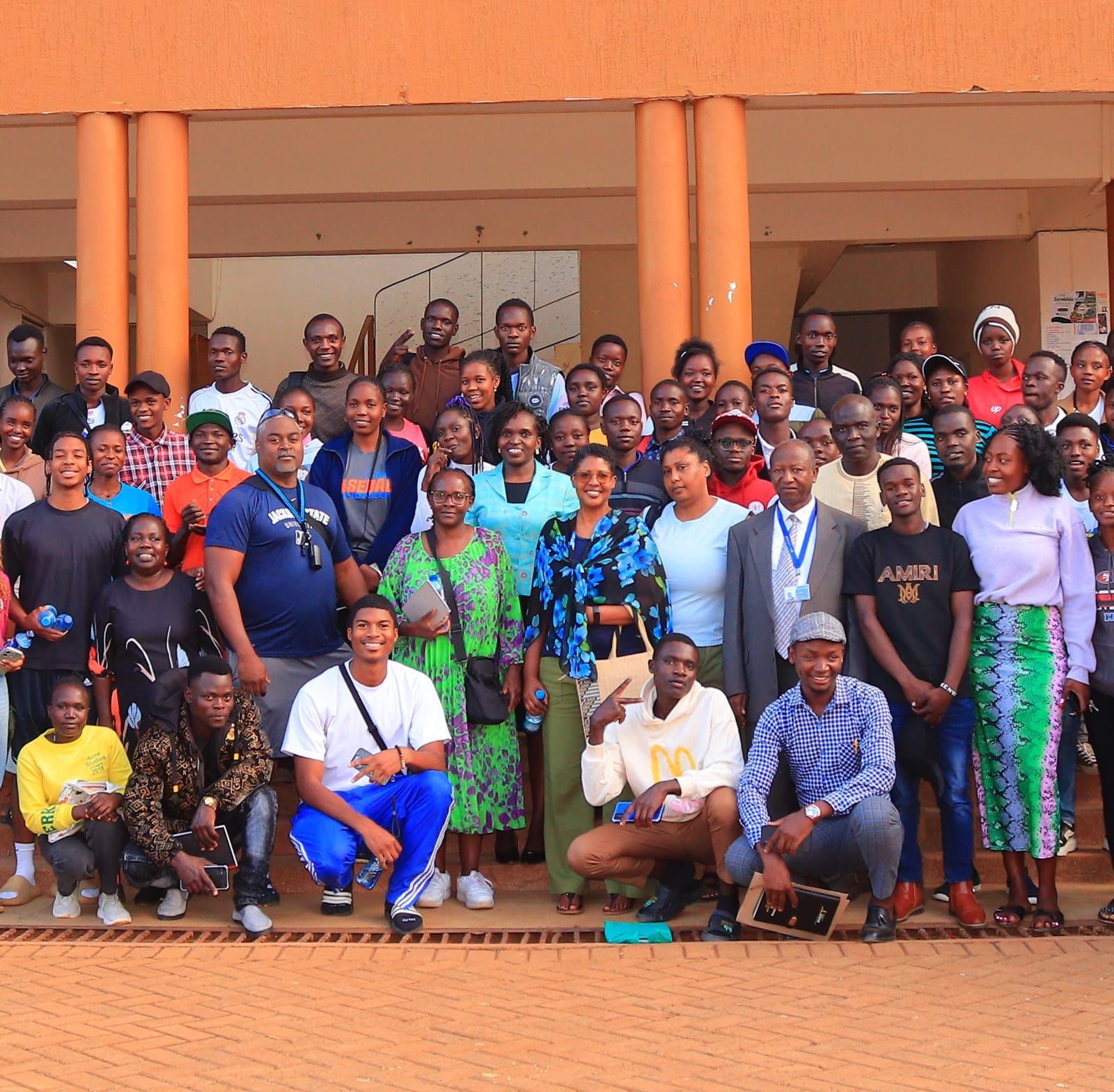
Educultural Travel not only enhances individual knowledge and personal growth but also fosters cross-cultural understanding and collaboration. It serves as a bridge between education and cultural exchange, promoting awareness of shared global challenges, diversity, and unity. It is about enriching one’s perspective through firsthand experiences and, most importantly, creating meaningful connections that sustain community changemakers, thereby fulfilling our social responsibility. Safari is, of course, an asset.
Educultural Travel offers an authentic African experience by highlighting the history and traditions of the Kenyan people. You will experience new cultures in both urban and remote Kenyan villages.
Through inspiring workshops and discussions on global issues, participants will gain a deeper understanding of different communities by rethinking humanity.
Participants will engage in a variety of enriching activities, including cooking traditional dishes, attending art workshops, and exploring historical landmarks and social issues. They will also participate in community service projects, fostering genuine connections with residents.
Model
- Educational experiences are structured to be facilitated through cultural immersion.
- A community-based approach is employed, prioritizing mutual benefit rather than extractive practices.
- For Students;
- Programs are academically guided and focus on measurable learning outcomes.
- The model emphasizes collaborative learning with communities instead of treating them solely as research subjects.
- By the program's conclusion, participants will have built lasting friendships and emerged as passionate advocates for international cooperation, celebrating the beauty of our diverse world together.
Travel with Us
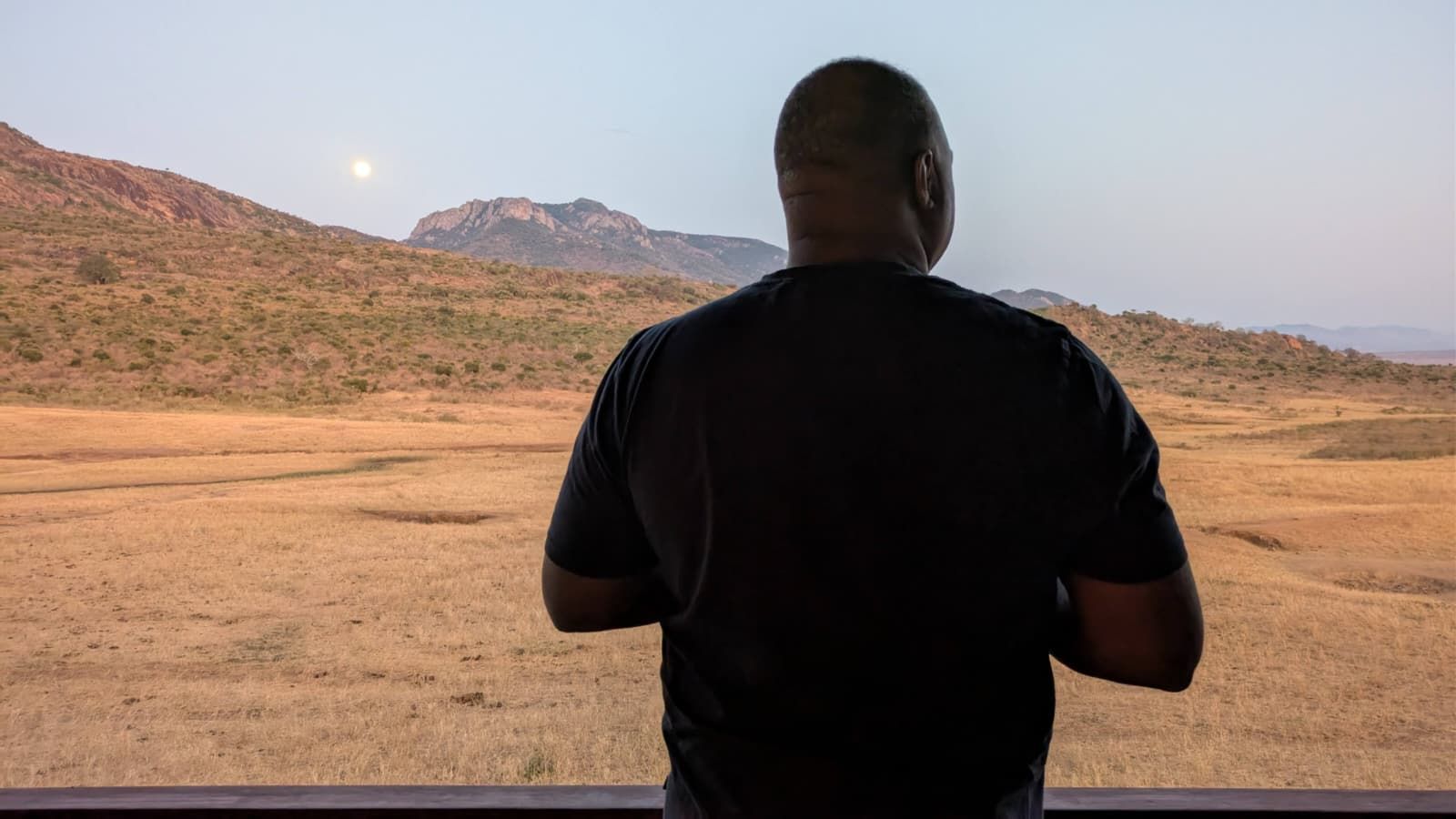
Customized for Families, Groups, and Students
We design seamless trips for parents, children, multigenerational families, and groups of friends, prioritizing safety, comfort, and enjoyment for all.
Local Guides
They have an in-depth knowledge of the local languages and the country's well-known and hidden gems. For true culture lovers, we offer a genuine connection to the real Kenya—beyond the tourist highlights and romanticized images.
Stress-Free Planning
We handle every detail, allowing your group to focus on sharing moments, creating memories, and enjoying the adventure together.
Learn While You Explore
Our safaris offer more than wildlife encounters—they provide immersive cultural experiences that engage both children and adults.
Travel That Makes a Difference
Your journey directly supports local communities and sustainable tourism, creating a positive impact for generations to come.
Affordable Without Compromising Quality
We offer accessible pricing without ever compromising on comfort, safety, or the quality of your experience.
Destinations
For Leisure and Decolonial Travel
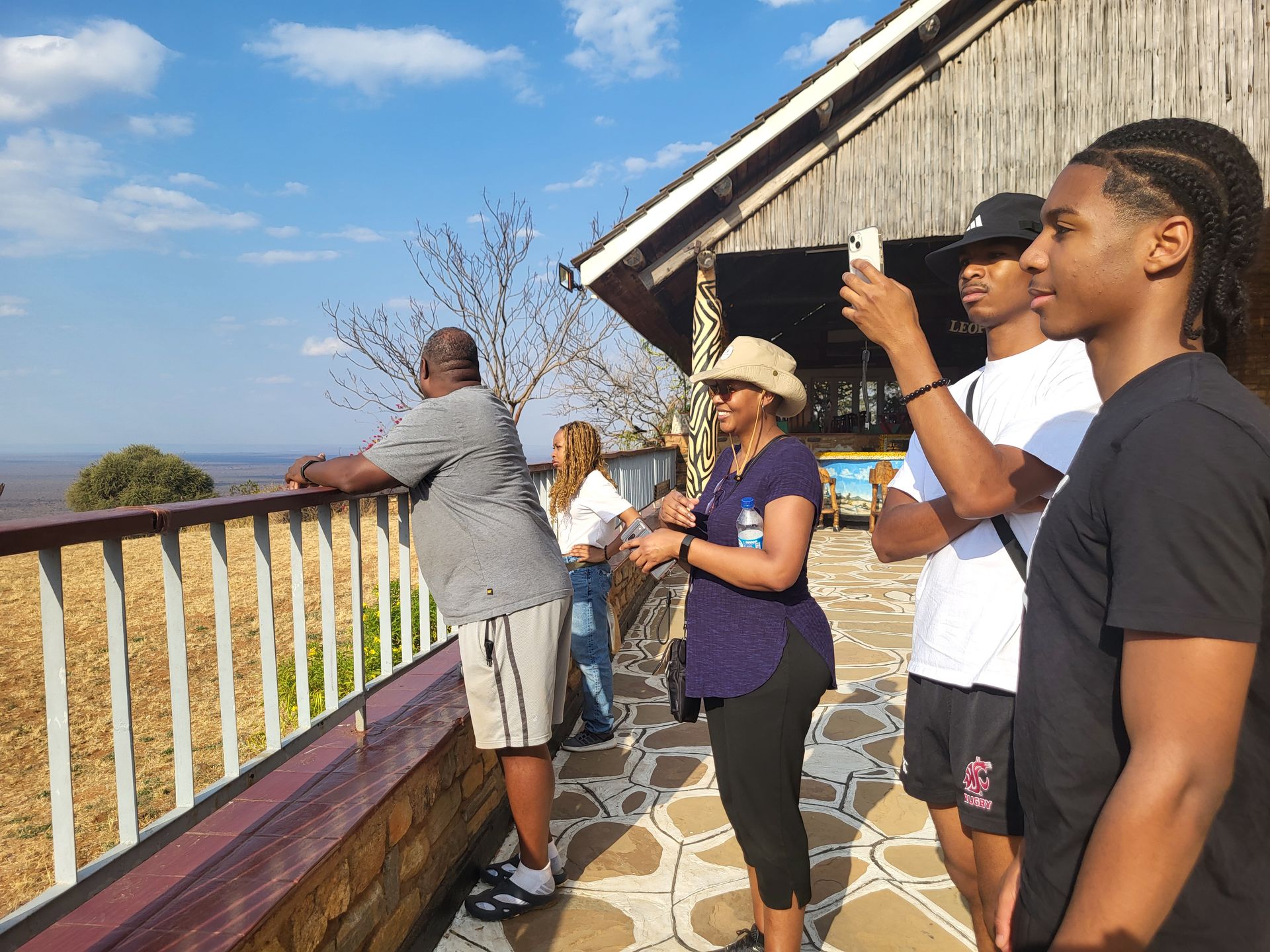
Kenya
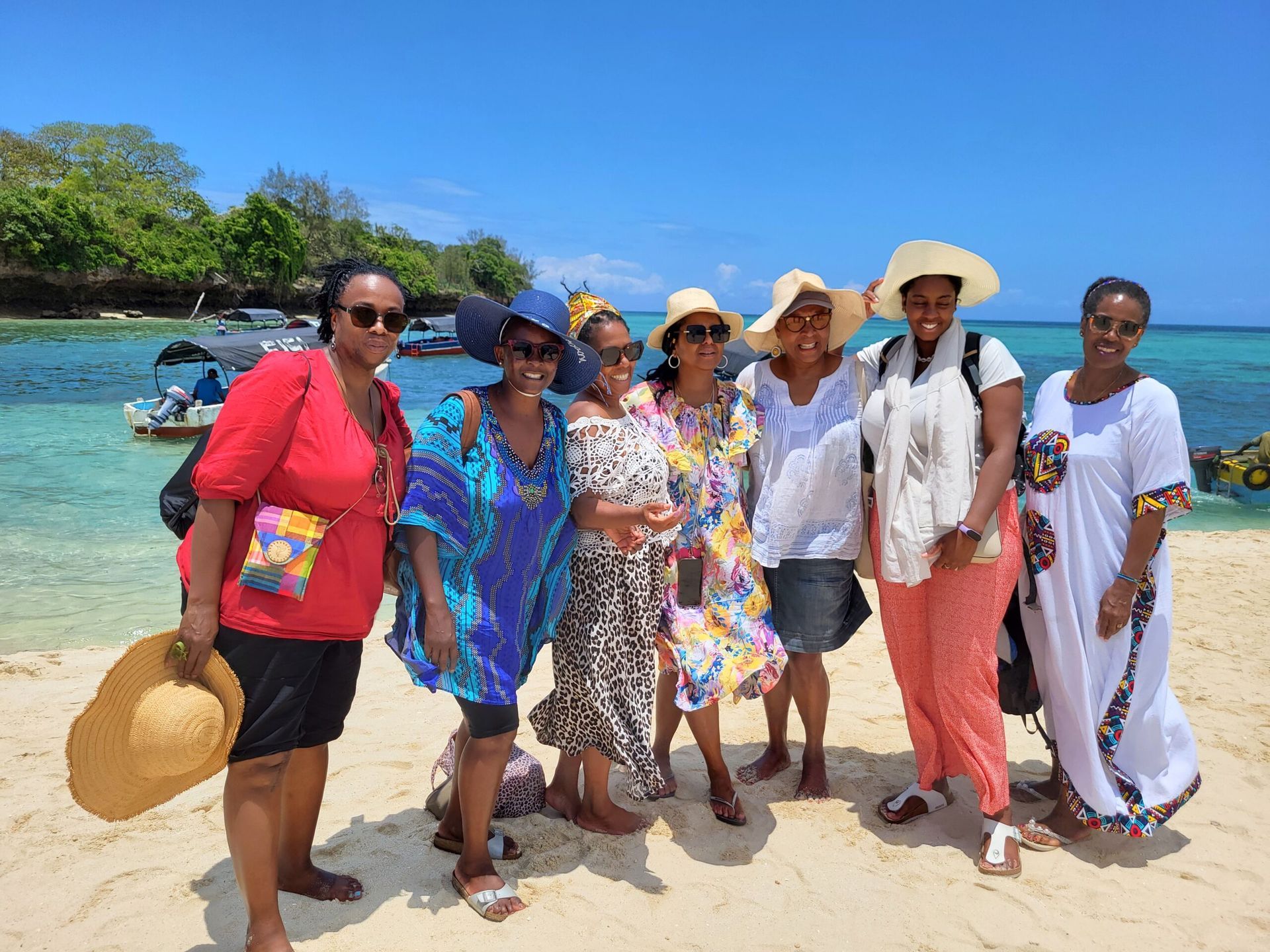
Tanzania
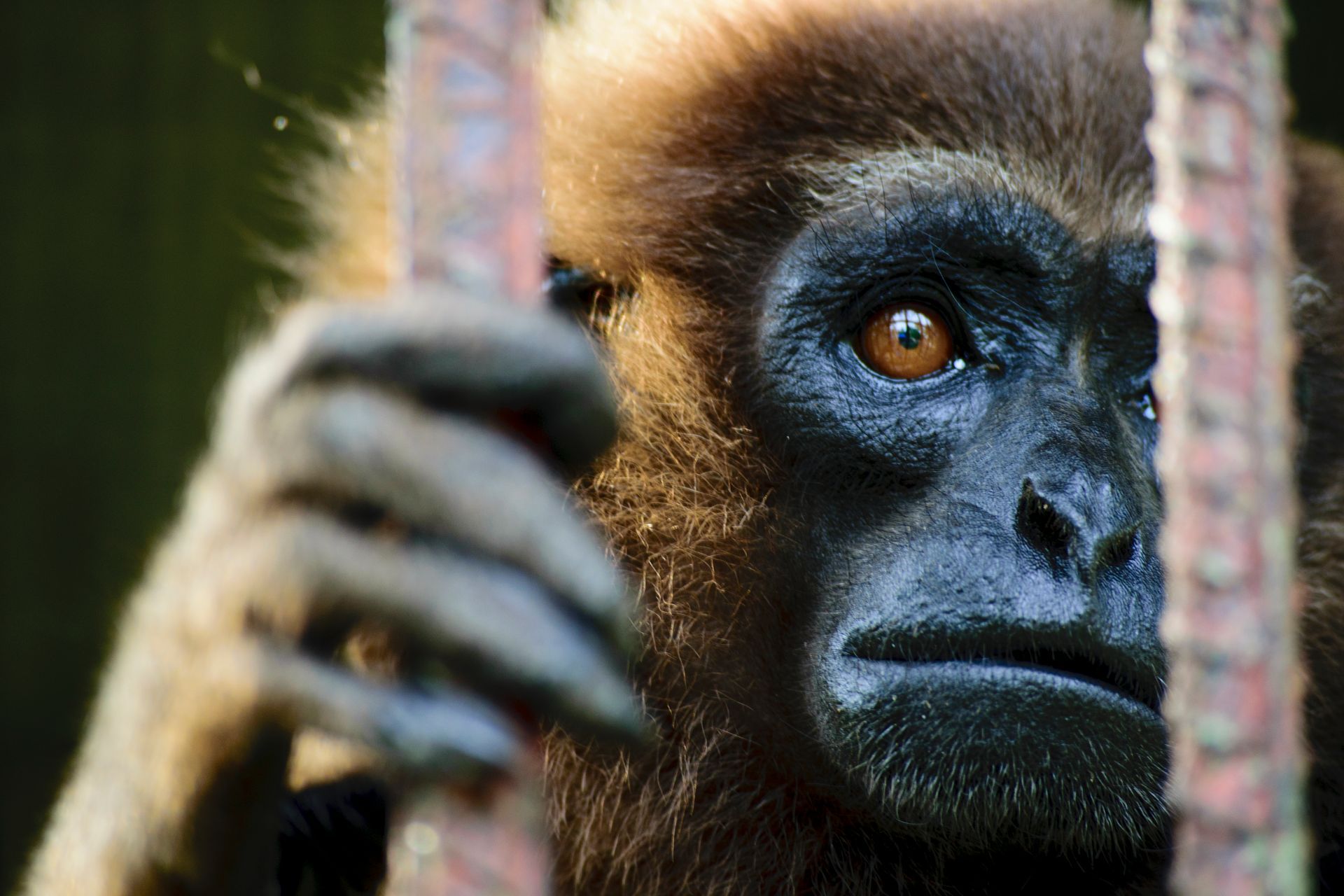
Uganda
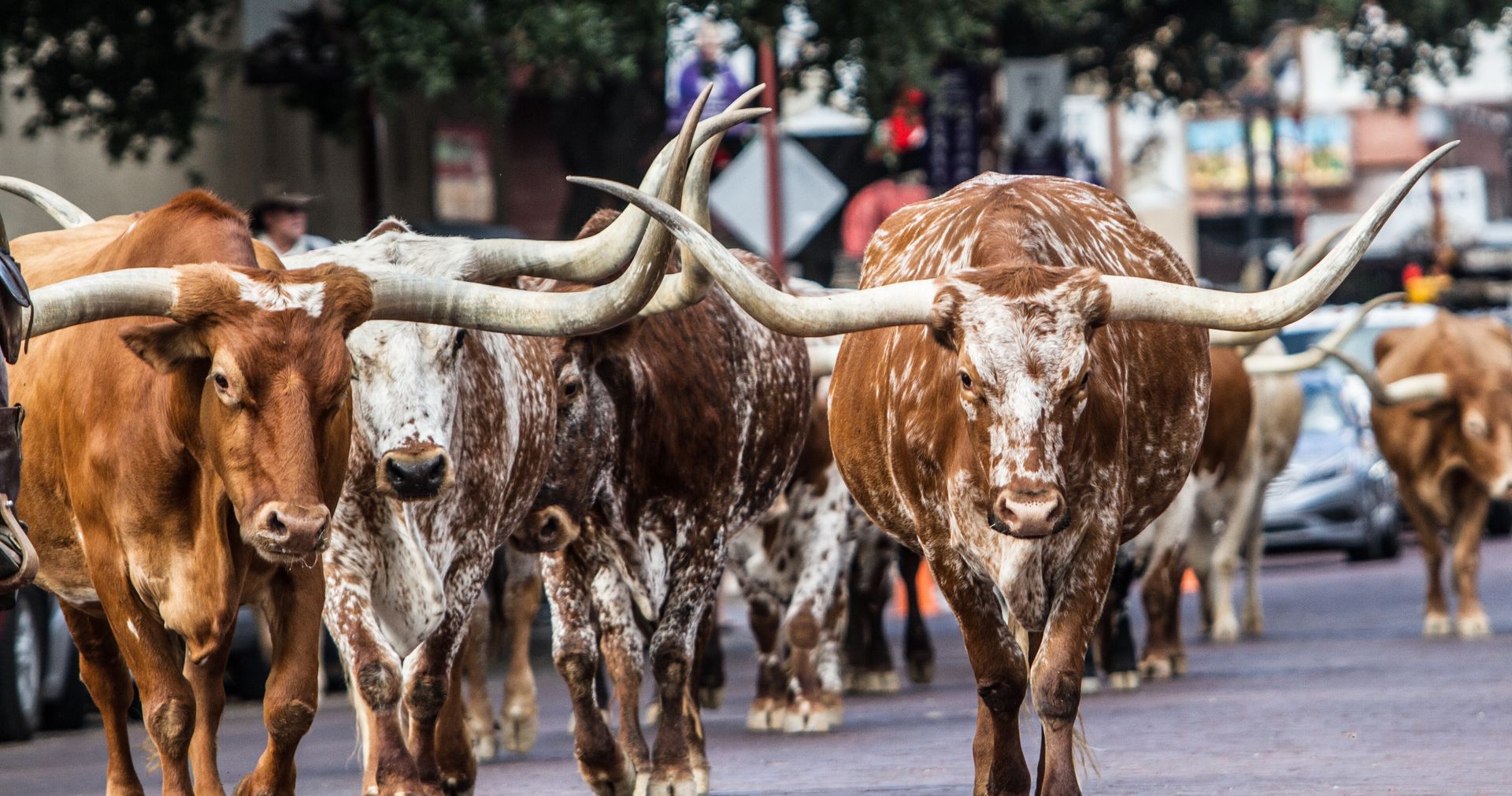
Rwanda
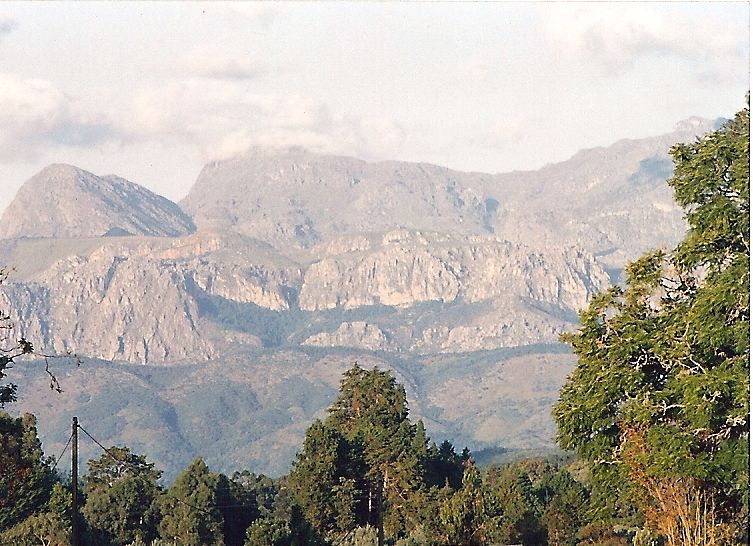
Zimbabwe
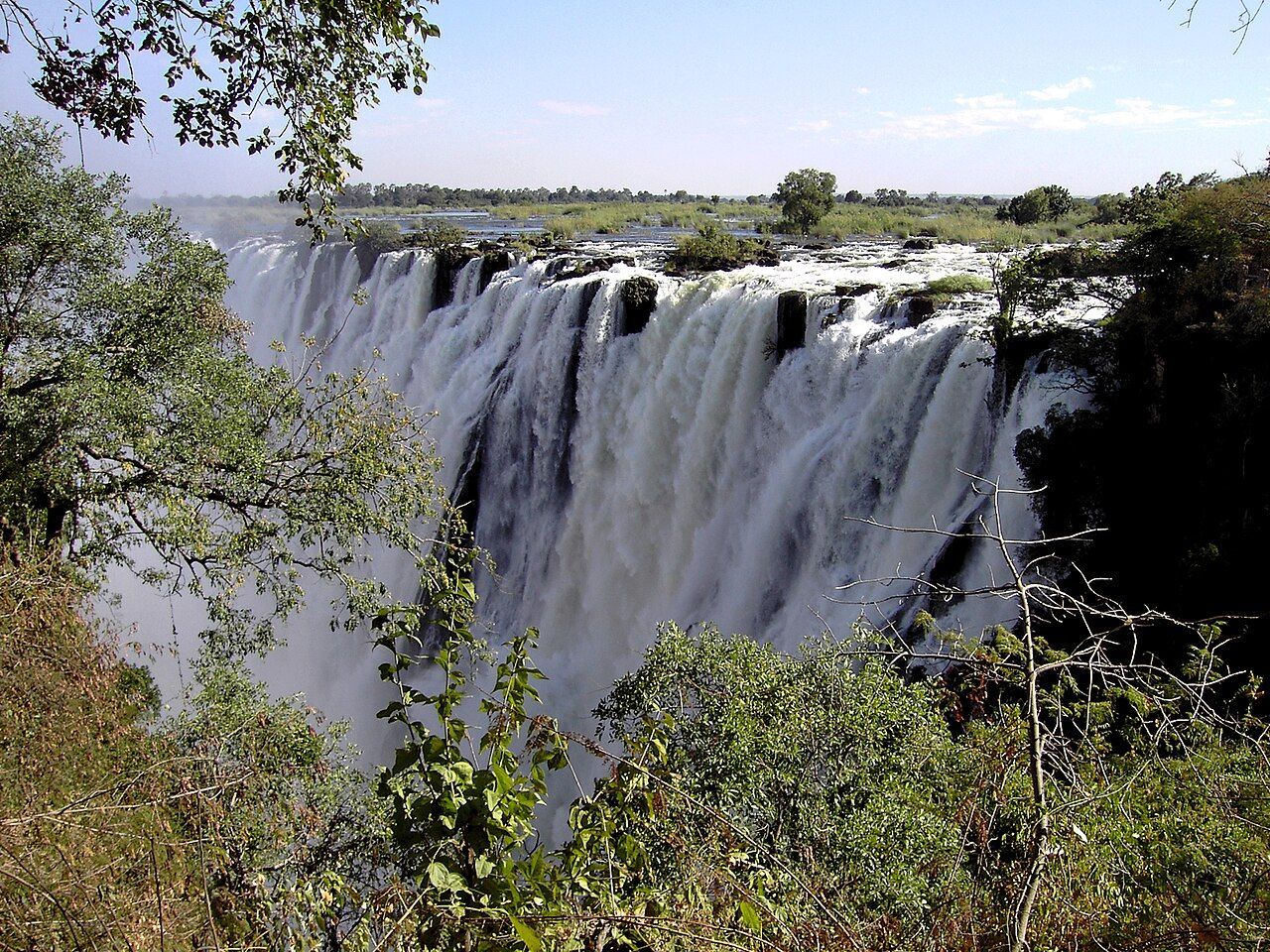
Zambia
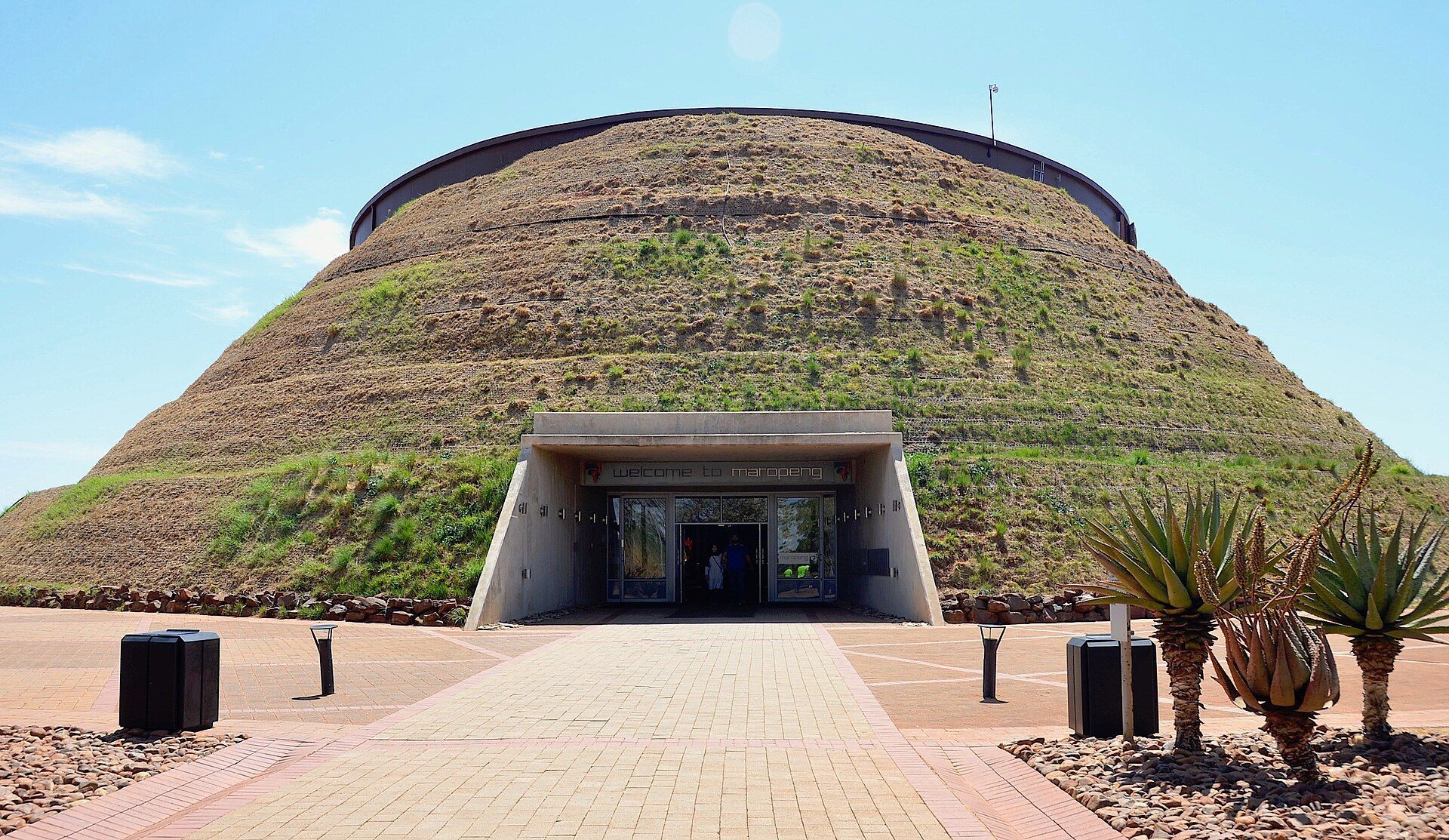
South Africa
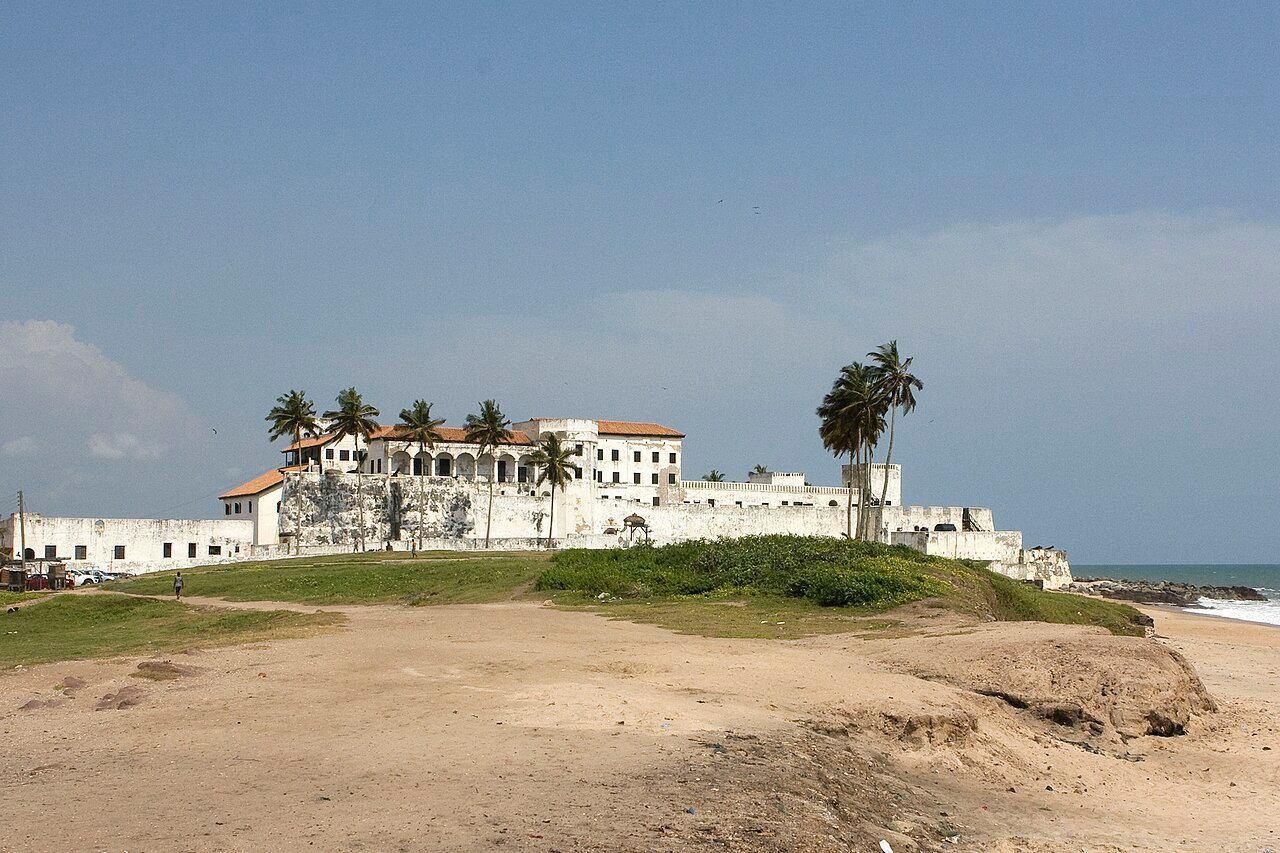
Ghana
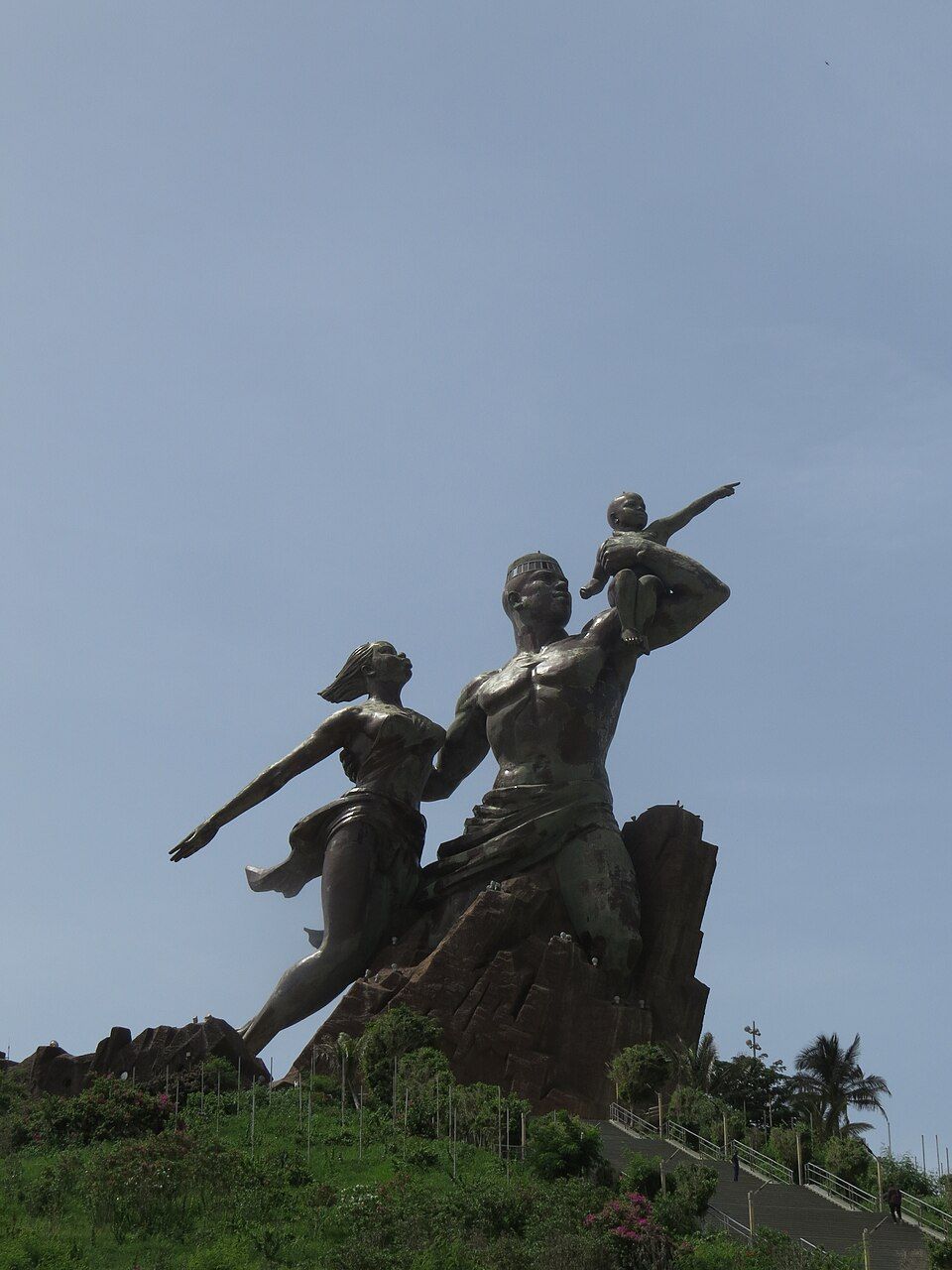
Senegal
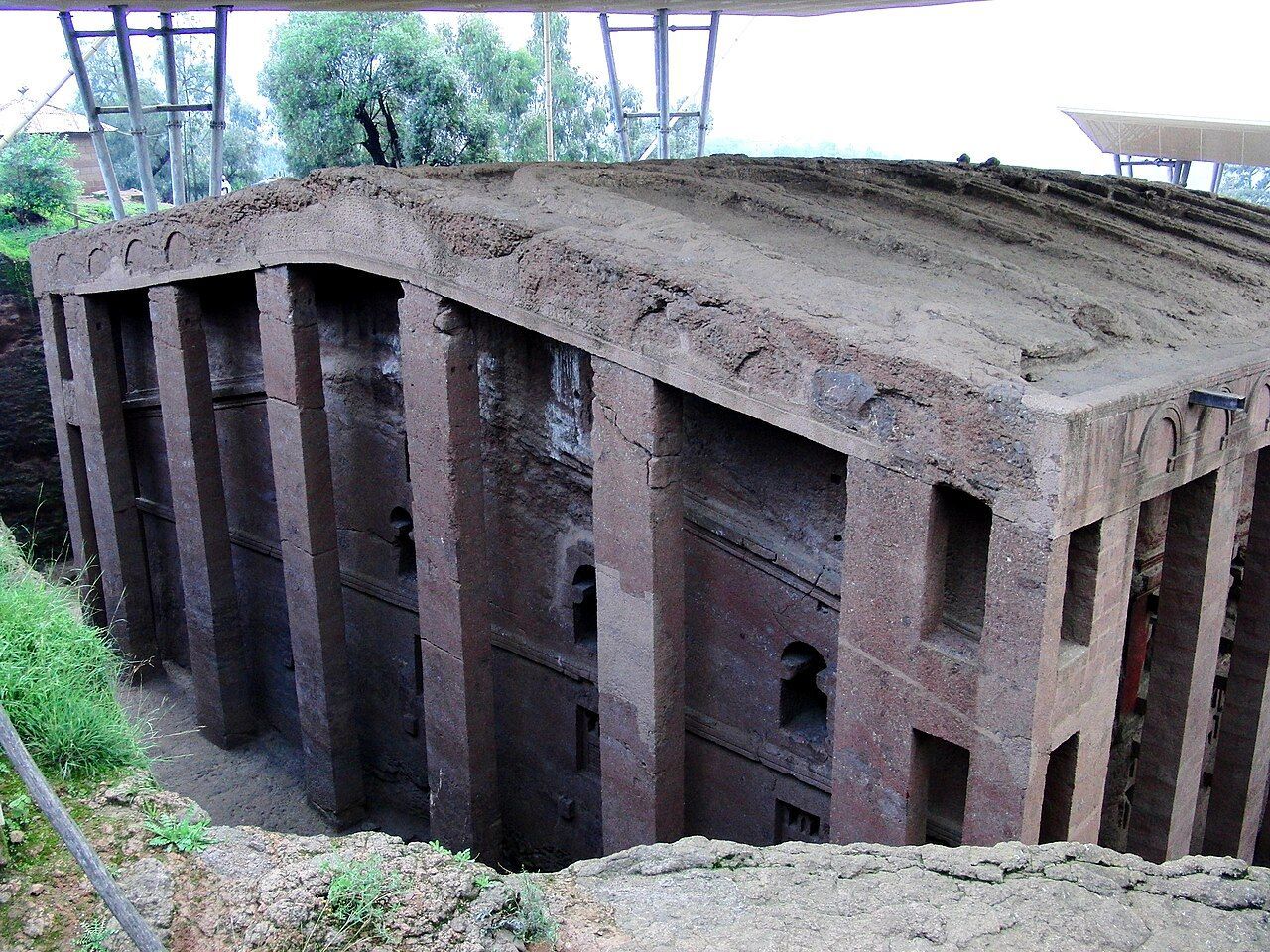
Ethiopia
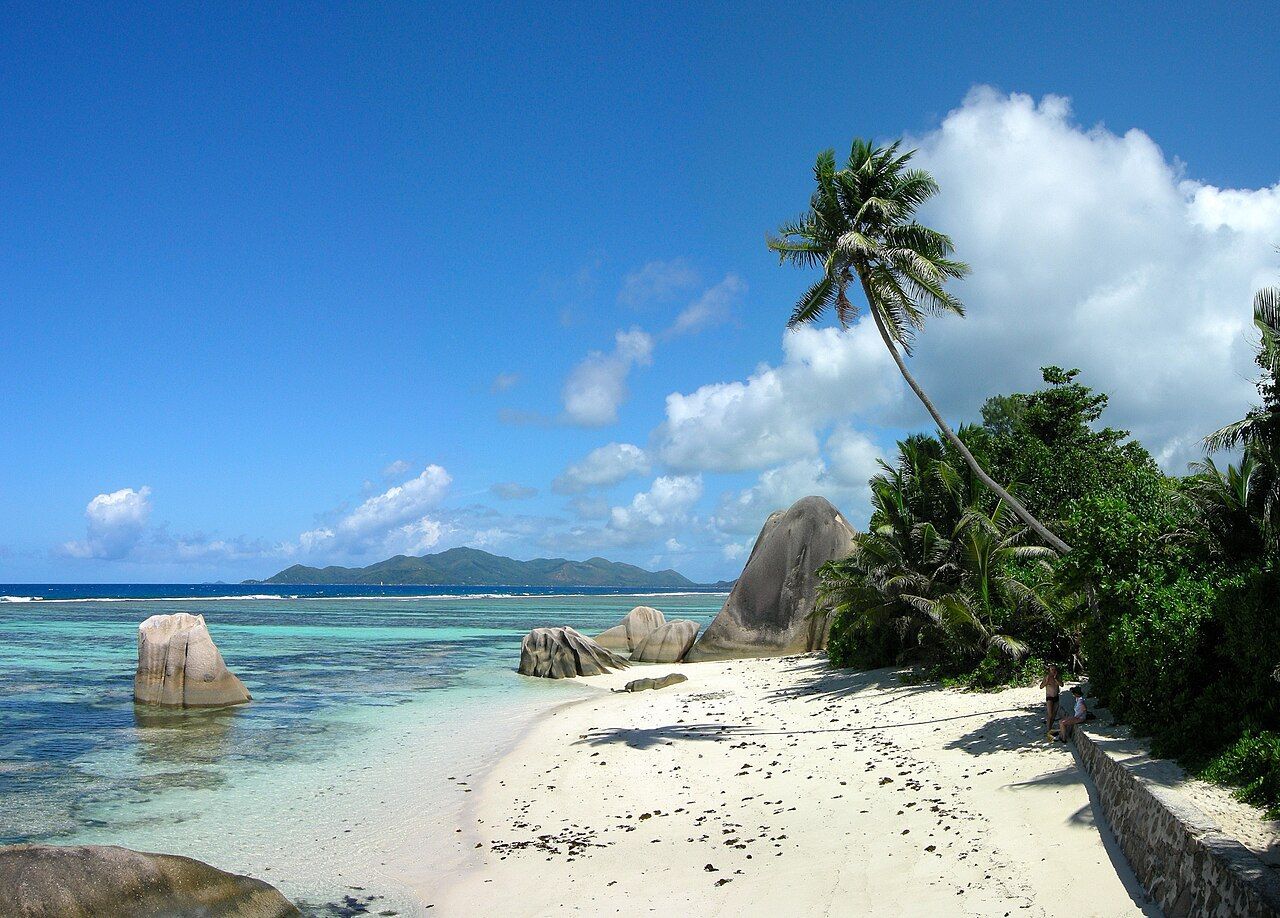
Seychelles
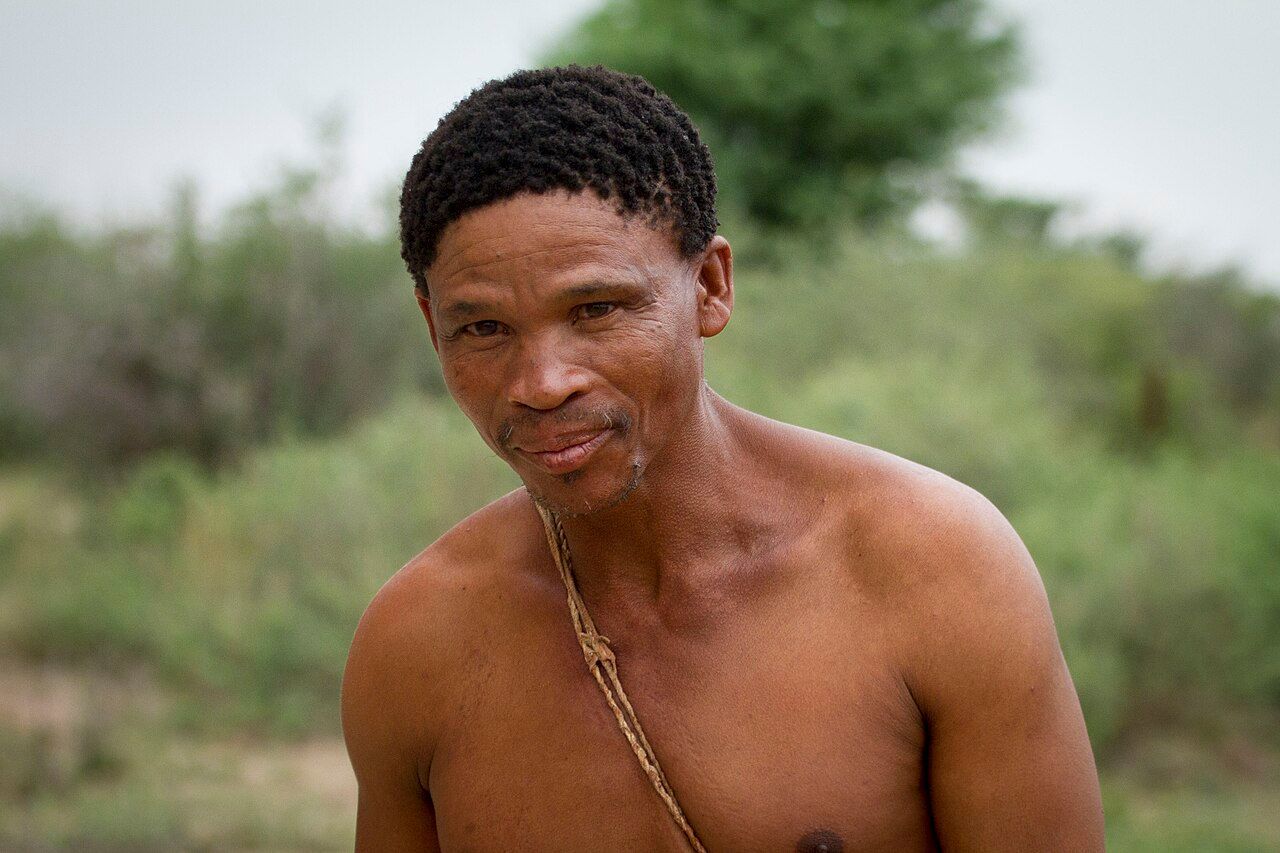
Botswana
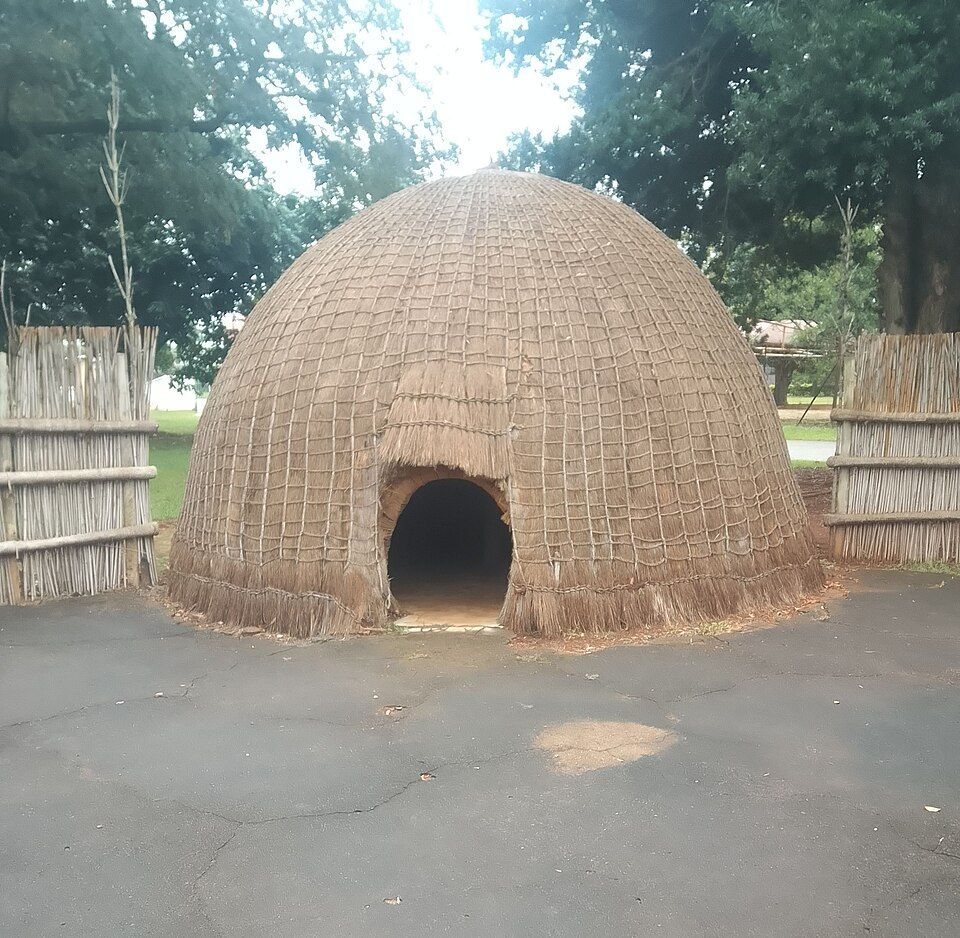
Eswathini
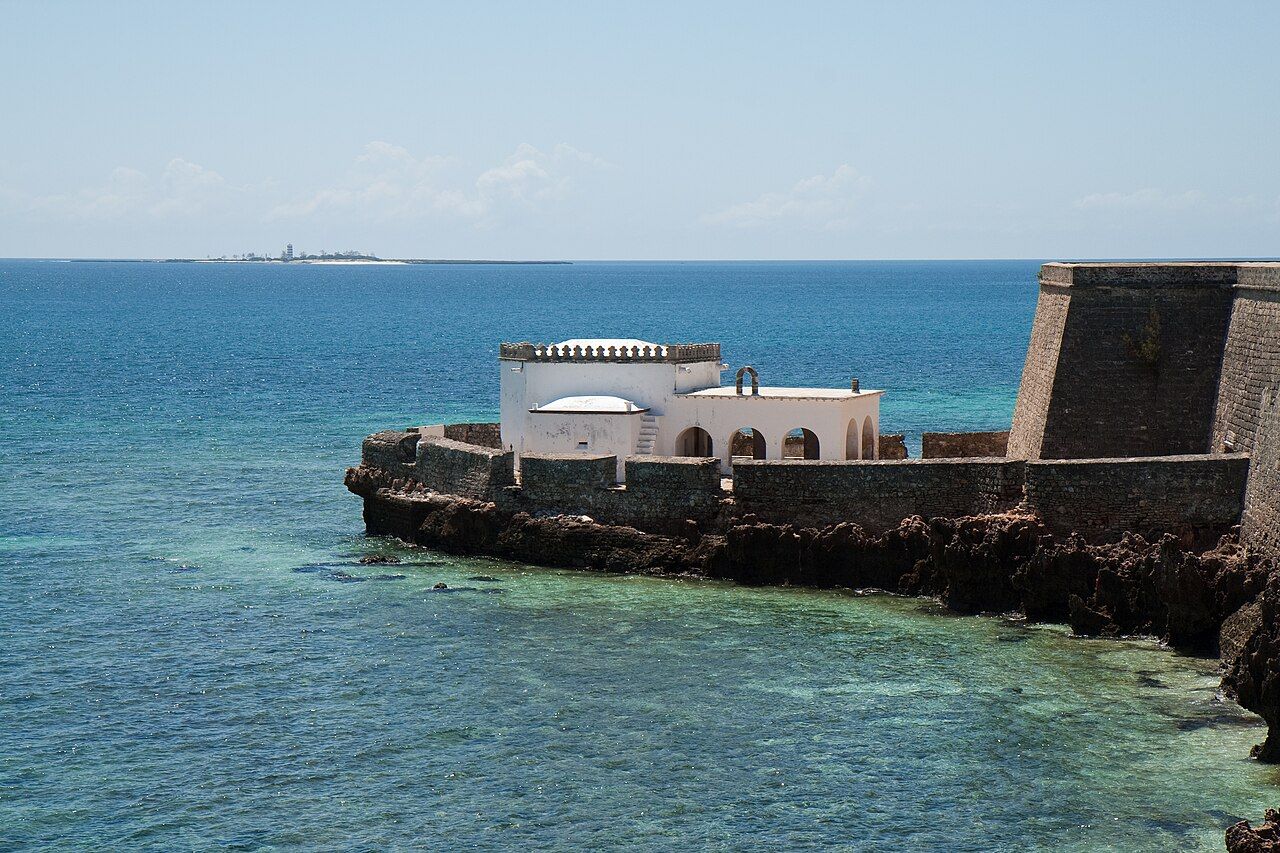
Mozambique
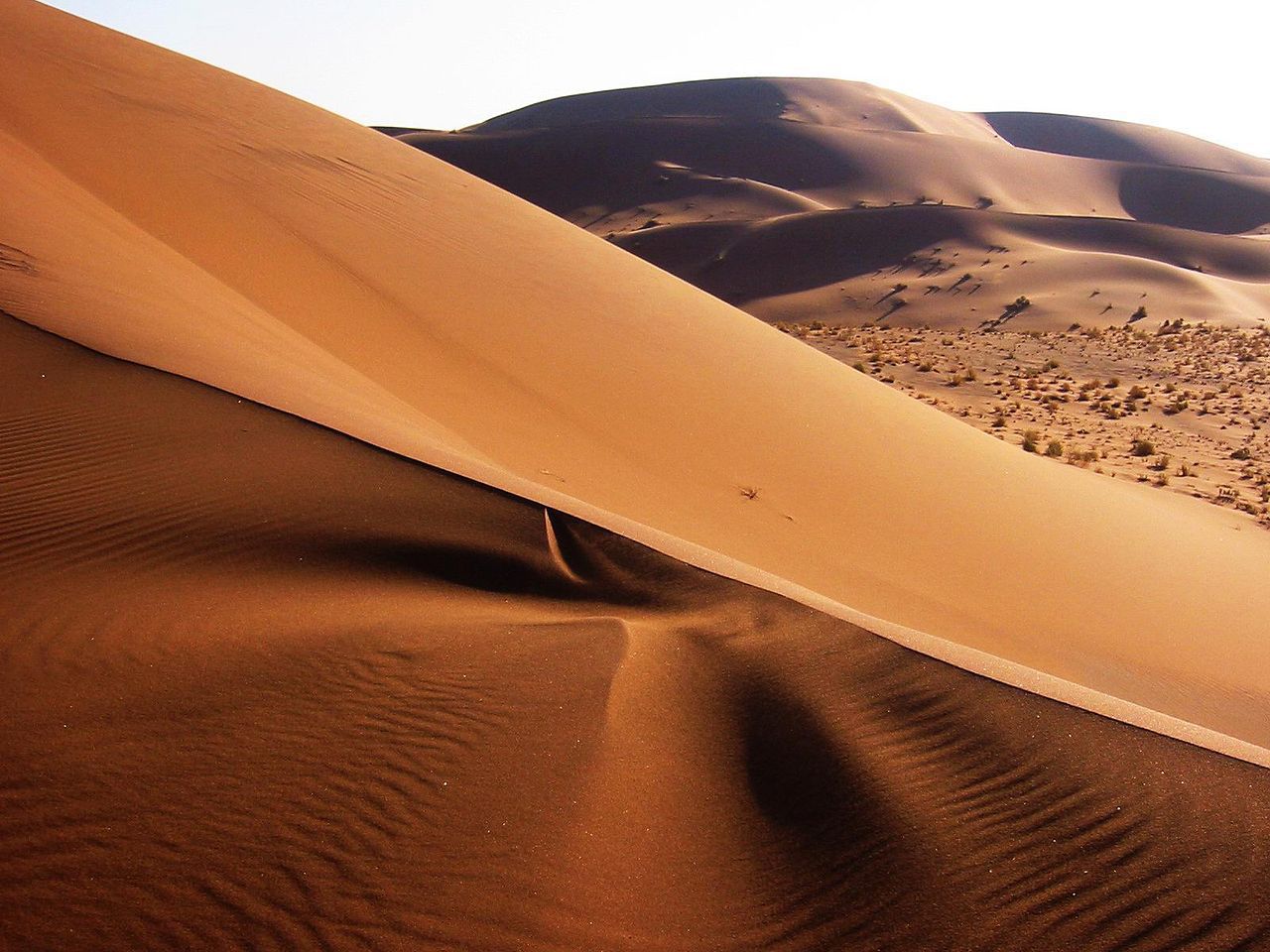
Namibia
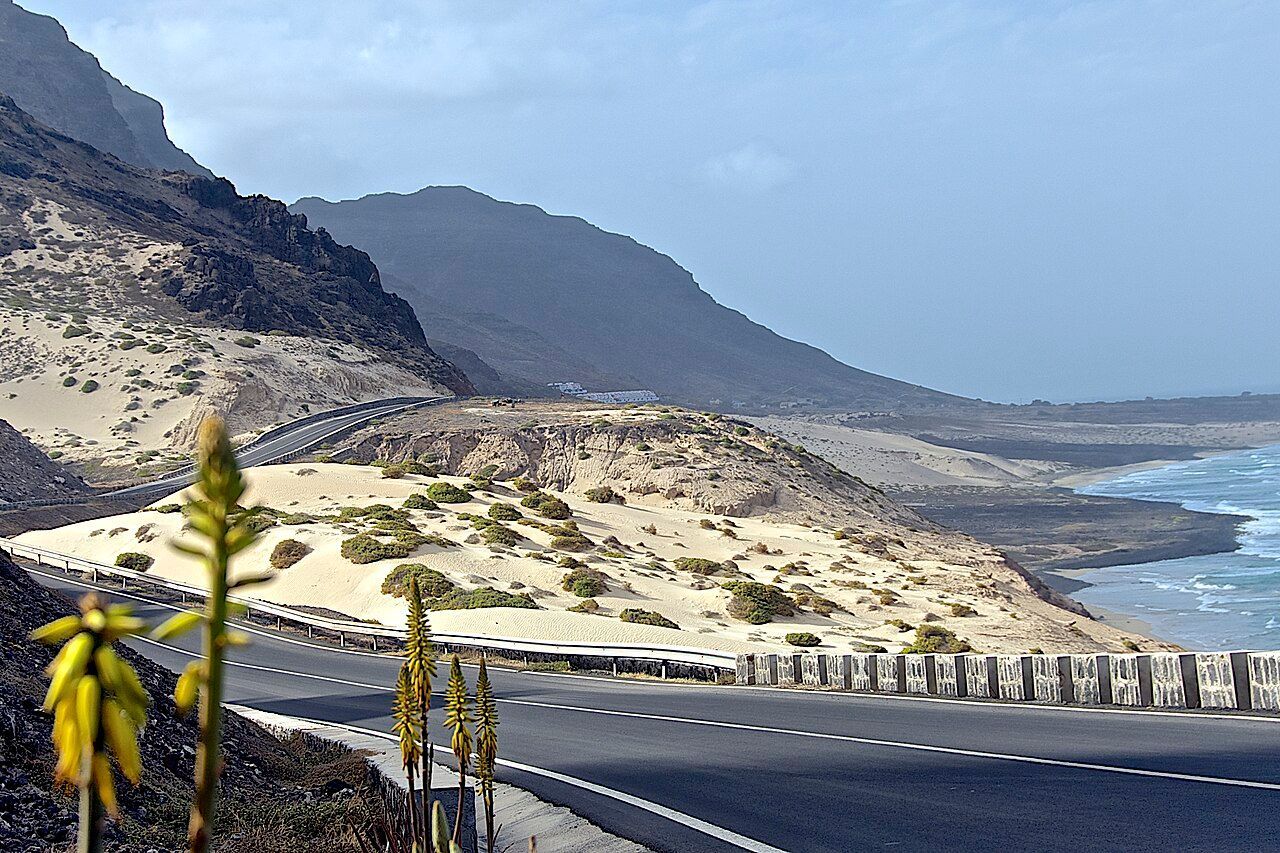
Cape Verde
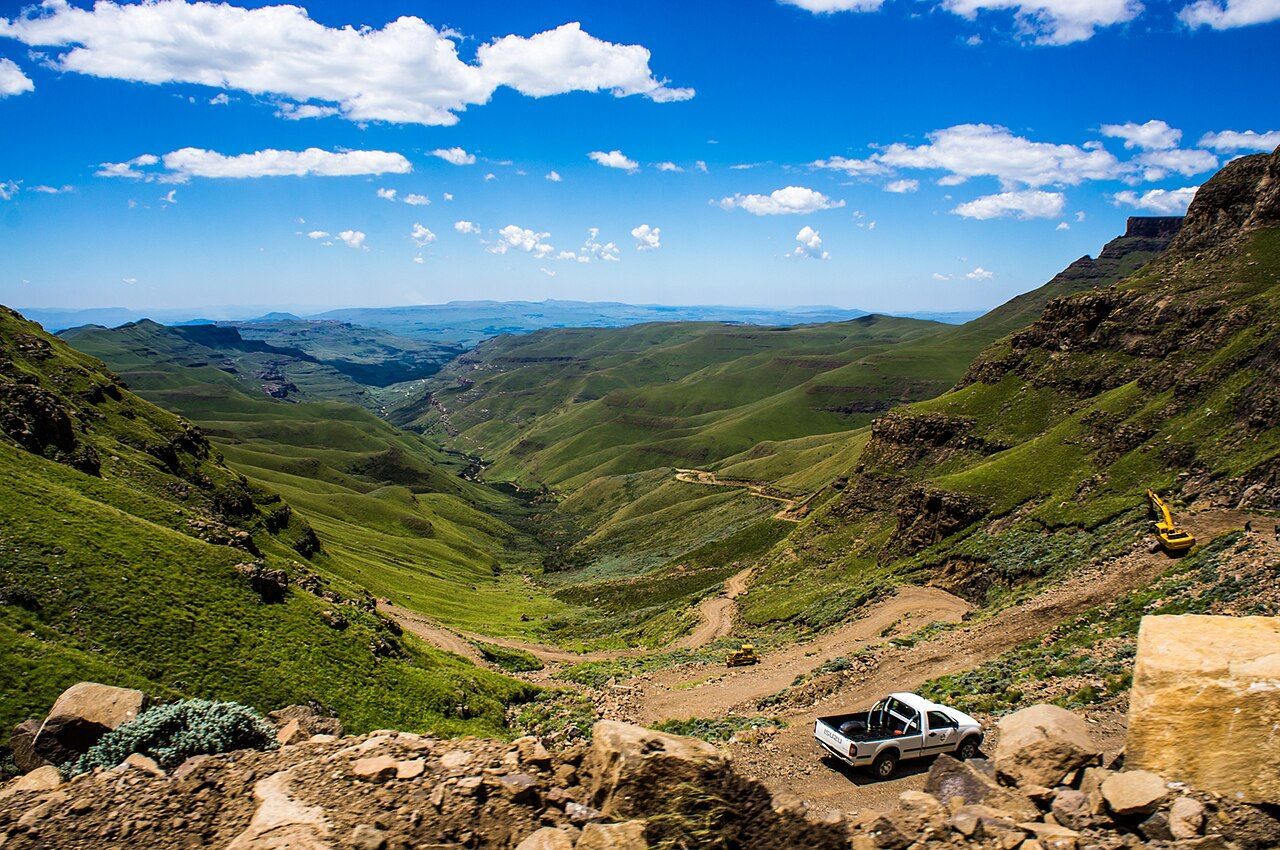
Lesotho
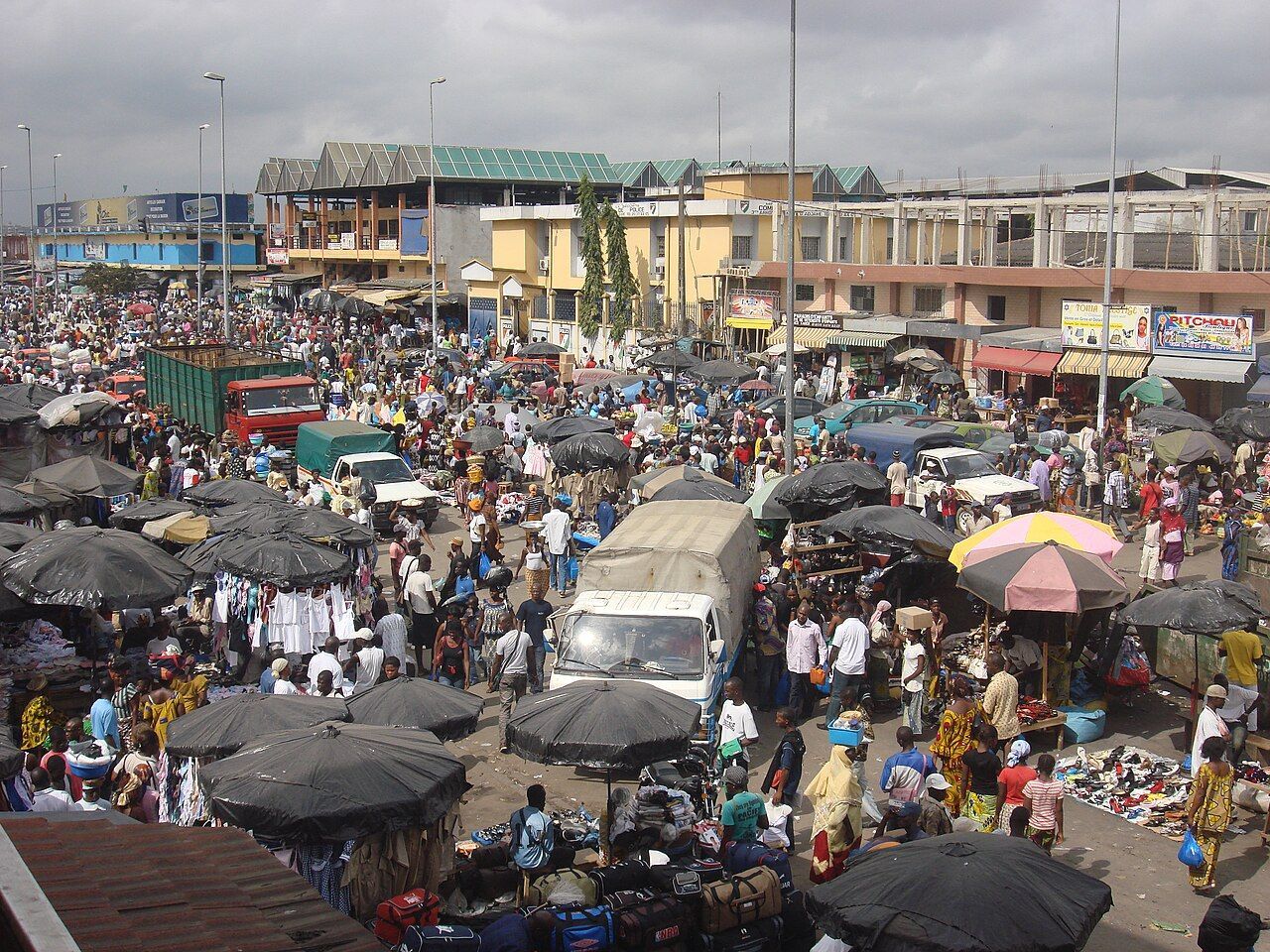
Ivory Coast
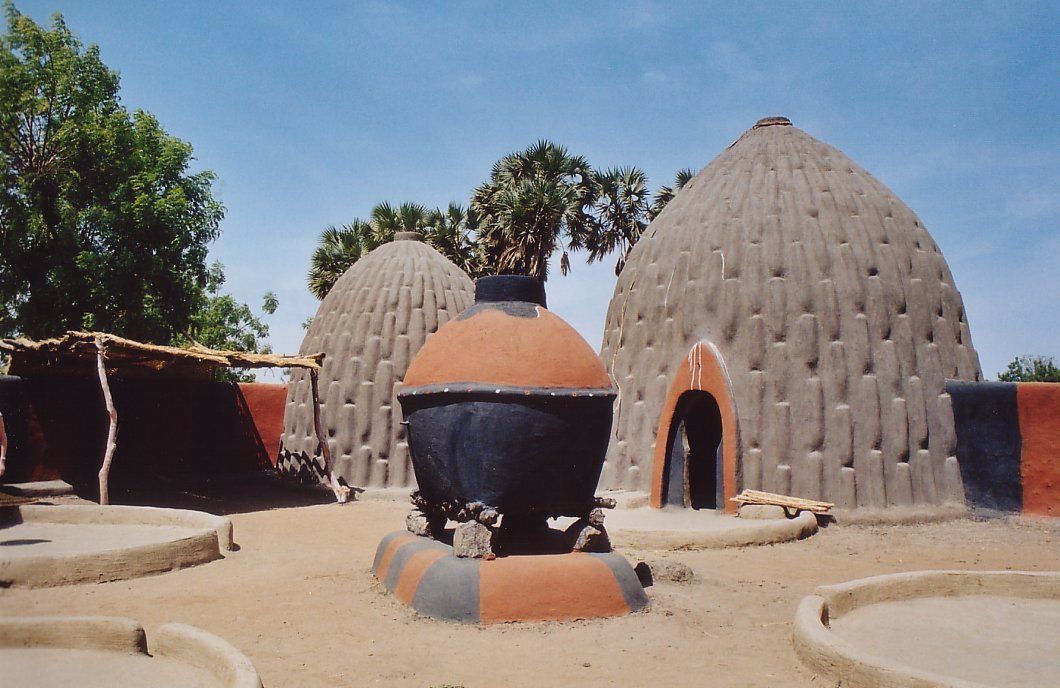
Cameroon
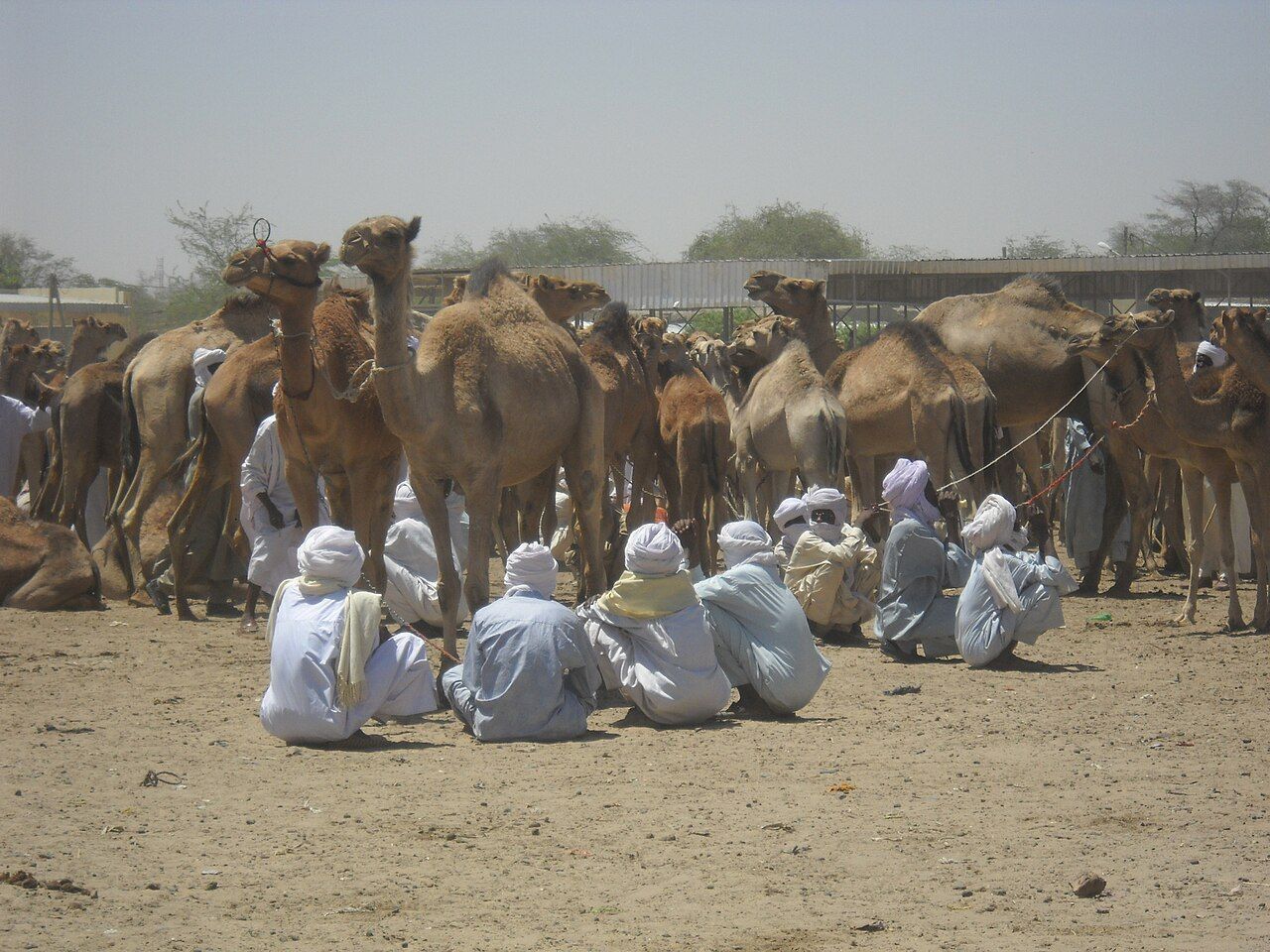
Chad
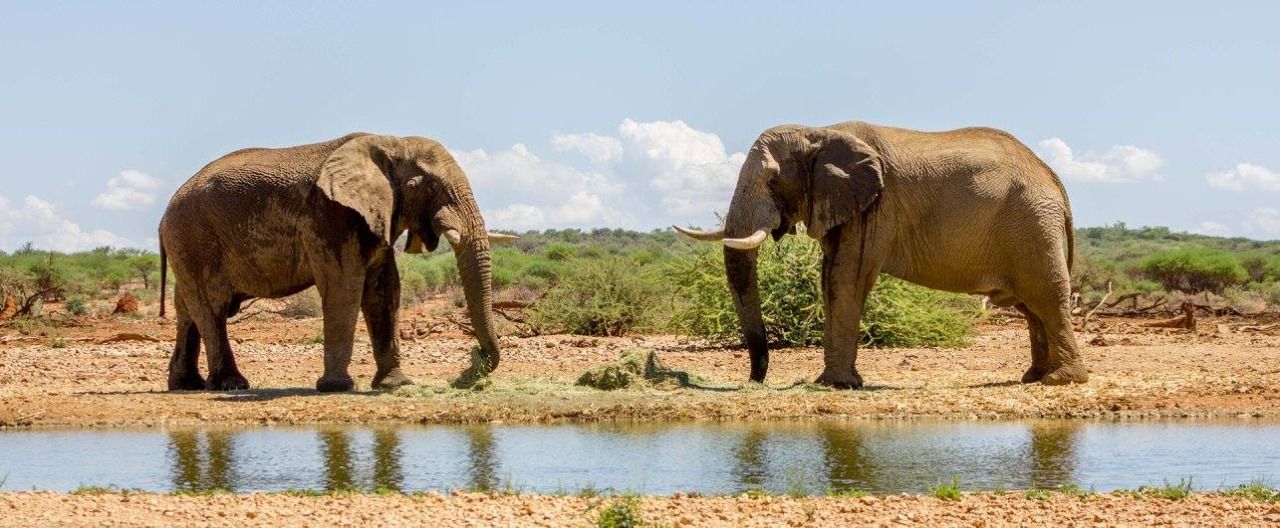
FREQUENTLY ASKED QUESTIONS
Where is Kenya, and which parks can I visit?
Kenya sits in East Africa on the Equator. It shares borders with Tanzania, Uganda, Rwanda, South Sudan, Ethiopia, and Somalia. Mount Kenya, Longonot, Taita, and Shimba hills are some of the highlands found in Kenya. The Great Rift Valley passes through Kenya from Mozambique to Ethiopia. In addition to its mountains and valleys, the country also has a beautiful coastline on the Indian Ocean.
Kenya is one of Africa’s top safari destinations, renowned for its diverse landscapes, abundant wildlife, rich cultures, and excellent travel infrastructure. Its vast safari parks include Maasai Mara, Amboseli, Lake Nakuru, Tsavo East & West, Samburu, Ol Pejeta Conservancy, and Lake Naivasha.
Furthermore, English and Swahili are widely spoken, making travel for international visitors smooth and enjoyable.
Which is the best time to visit?
Do I need a visa
If you’re planning a trip to Africa from another country, you’ll likely need a passport.
Your passport must be valid for six months past your departure from Africa. You’ll also need two blank, consecutive visa pages—actual visa pages, not endorsement pages—for each country you visit. Without them, you may be denied entry.
Visa requirements vary by your nationality and destination, so check with each country’s embassy or consulate. For more tips, read our blog on visas.
Do I need travel Insurance?
Travel insurance to Kenya is not mandatory, but it is necessary. In addition to your own insurance, you can also take local AAR insurance. At AAR Insurance Kenya, they offer medical and general insurance solutions to individuals, families, and businesses. For example, think about Airlifts.
Do I need vaccinations?
When preparing for a safari, two major health considerations are malaria and yellow fever.
Many travelers choose Malarone, a malaria medication that is easy to take and generally well tolerated. However, individual needs vary, so consult a healthcare professional for personalized advice. If traveling to Kenya, Tanzania, or Uganda, a yellow fever vaccination is required.
When is the best time to go on a Safari?
June to October is the peak season and the most expensive. During this period, you can see the Great Migration. March and April are the rainy and calving season. November and December are the dry season. In all seasons, you are likely to see the Big 5.
Can Kids go on a Safari?
Children are welcome on safari as well. With parental guidance ensuring they follow park rules, families can enjoy a safe and memorable experience.
What is the accommodation like?
Accommodations at Safari Parks range from comfortable tented camps to luxurious hotels, offering options for every budget and preference.
What should I wear?
For a safari, wear closed, comfortable shoes and long-sleeved shirts and pants to protect against insect bites. Since the weather is warm, choose lightweight clothing for comfort. A hat and sunglasses will also help you stay comfortable.
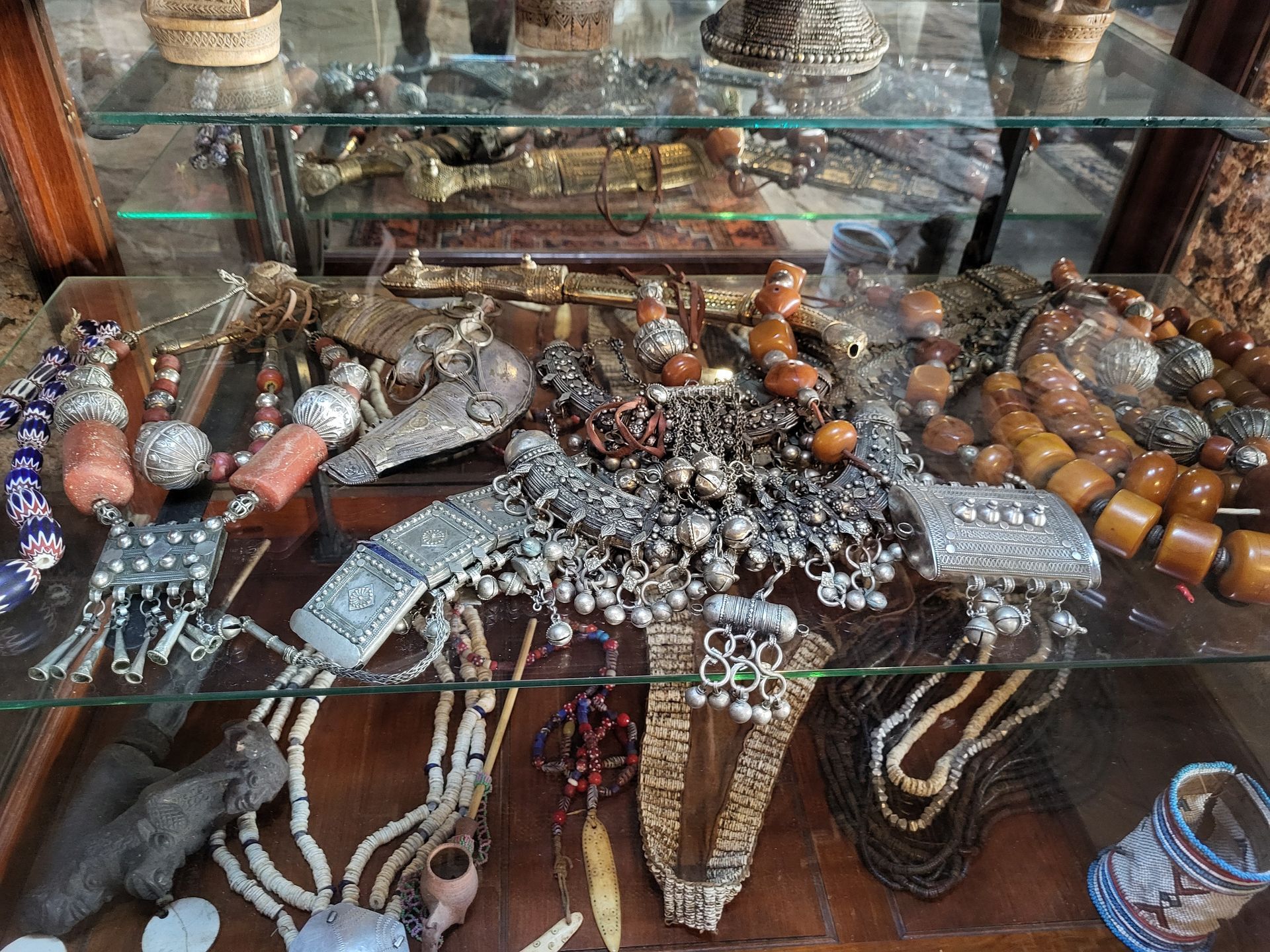
How much cash should I bring?
M-PESA (Mobile Money) is the most popular and convenient way to pay in Kenya. When you arrive, you can set up a visitor M-PESA account by buying a local SIM card, such as a Safaricom SIM. M-PESA lets you pay without cash almost everywhere. In Nairobi and other big cities, you can also withdraw money easily from ATMs. It’s a good idea to keep a small amount of cash for tips.
How much should I tip?
Guide: USD 25
Tracker: USD 20
Butler or housekeeping: USD 20
General staff: USD 20
Transfer drivers: USD 5–10
City tour guides: USD 10–20 depending on tour length
Restaurants: USD 5
Why Travel With US
BOOK NOW