Just like every language, Swahili is sprinkled with words that wear more than one hat. It usually depends on the context in which the words are used.
Let’s dive into some of the most fascinating examples.
1. Chai
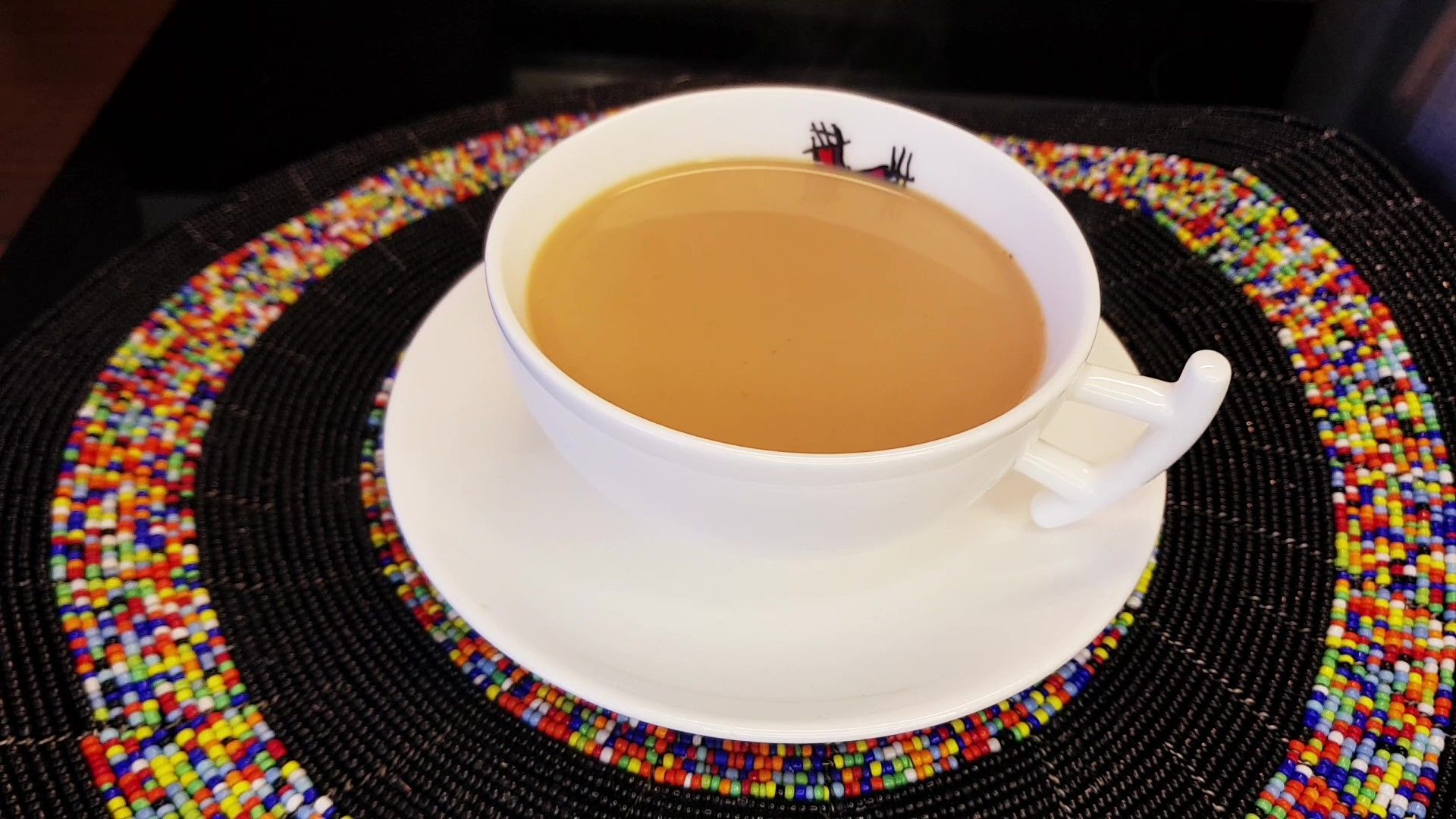
Chai
means tea, breakfast, or bribe.
If someone asks, "Can I have tea?" Then he or she means real tea.
But if someone says they left at dawn without having
chai, they really mean they skipped breakfast altogether.
Every country in the world experiences bribery. It is not a good thing, but it exists.
I heard a story in Kenya about an elderly lady fighting a court battle. A person suggested to her that if she wants to win the case, she must buy “chai”, meaning tea, for the Judge. For her next appearance, she literally bought 2 kgs of tea and offered it to the judge in court. The judge was so angry that she locked her up for one week. The poor lady did not understand the meaning of
chai.
So, keep your ears sharp and do not hesitate to ask questions when you hear chai in this context. It might just save you from a sticky situation.
2. Mzee
The word
mzee
may mean old, but its uses are as varied as the people who speak it.
Mzee is a polite word for husband- My
mzee
is not around.
Mzee Misiko- means Mr. Misiko.
Mzee passed by your house, meaning an old man passed by your house
Mzee is also a title for an important person, such as
Mzee Kenyatta.
3. Bwana
Much like mzee,
Bwana
is a word packed with meaning. It often swaps places with mzee, though sometimes it stands on its own.
Bwana is husband – My
Bwana
means my husband
Bwana Misiko means Mr. Misiko
Bwana
is Master, Lord, or God
Bwana Mungu wangu means, My Lord and my God.
4. Mswahili
Mswahili literally means "someone whose mother tongue is Kiswahili," or “who speaks Kiswahili.”
It can also describe someone who is clever with the truth, a bit of a trickster. Don't be a Mswahili means, in this case, don't be sly.
Mswahili
also means African people. For example, if someone says there is no
Mswahili in the room, they mean there is no person of African descent in the room.
5. Kiboko
Kiboko is a hippo. But if you say,
Misiko ni Kiboko, you are saying Misiko is as strong and mighty as a hippo itself.
Msichana
Kiboko? That means a girl whose beauty is simply unmatched.
Swahili is a living tapestry of culture and environment.
These words reveal not just culture, but the very way
Waswahili connect and relate to one another.
Your turn
Has a Swahili word ever left you puzzled or adrift? Share it in the comments and let’s unravel its meaning together.