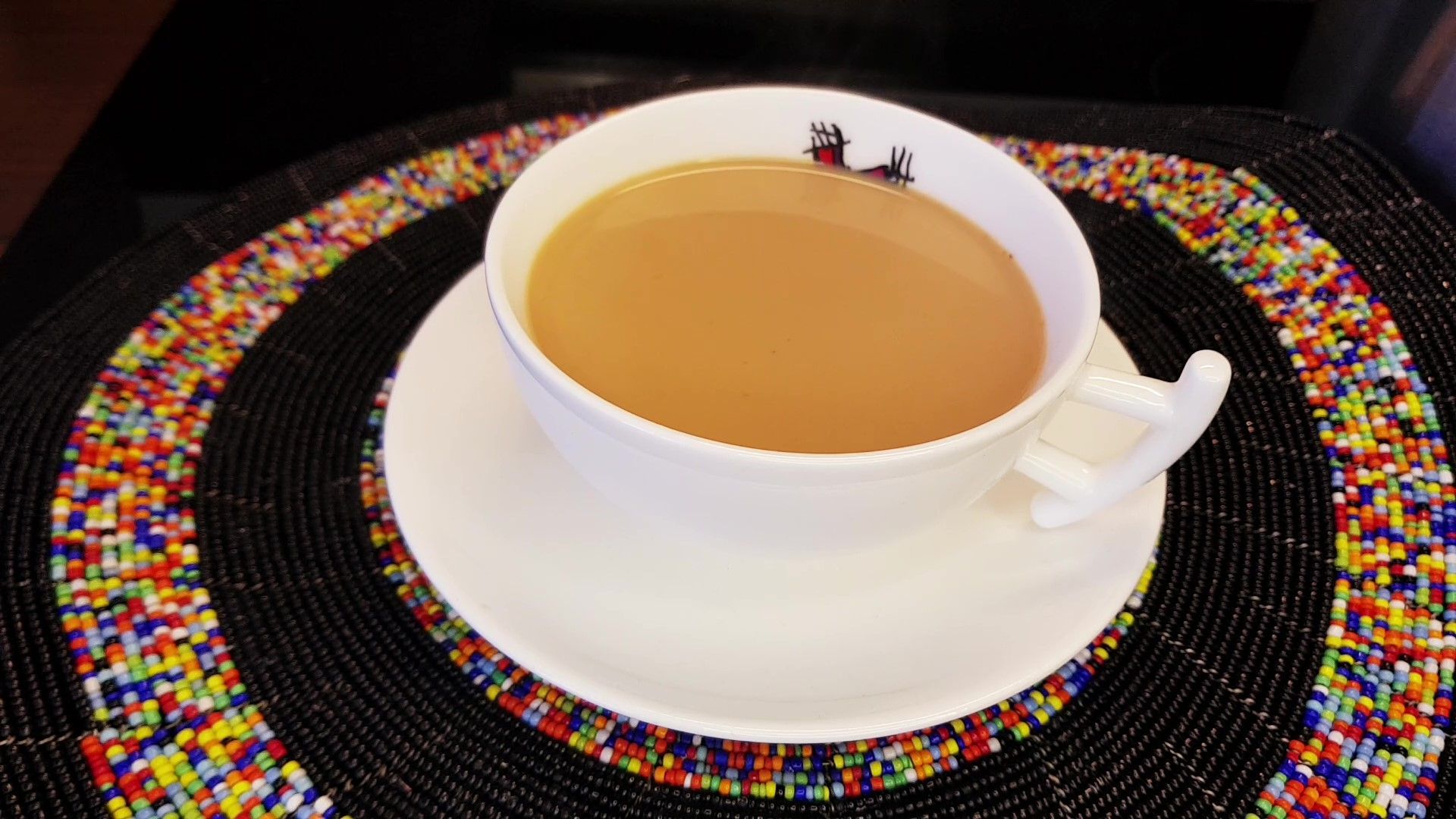
In Kenya, welcoming a guest always begins with a steaming cup of tea (chai), a word used in Hindi and Arabic alike. Chai is the heart of hospitality, the centrepiece of lively gatherings and business deals. It arrives at the table alongside golden
mandazi
or crispy
viazi karai.
Where does the journey of chai begin?
Tea originated in ancient China and gradually spread to Japan, East Asia, and the East Coast of Africa through trade. European traders and missionaries encountered tea in the 16th century, and it became popular in England after 1662. The Dutch East India Company expanded tea’s reach across Europe. By the 19th century, Britain established tea plantations in India, shaping a culture of tea with milk and sugar.
While Asians spiced their tea their own way, the Swahili people decided to spice it with cardamom, ginger, cinnamon, and cloves. This spiced tradition is woven into the very fabric of Swahili culture.
How the word tea is used in daily conversation
1.“Storm in a teacup”- a lot of anger or worry about something less important
2. “Not my cup of tea.”- Something you don't like.
3. “My cup of tea.”- Something you enjoy doing.
How the word chai is used in Kenyan conversations.
1.
Chai
is just tea, the drink itself.
2.
Majani chai- tea leaves
3.
Mchai- Tea plant
4. And another informal use of
chai, which reflects real-life corruption. I have a short story about this chai.
An elderly lady in Kenya was told that to win her court case, she should give the judge some “chai.” Thinking big, she bought 2 kilograms of tea leaves—why settle for one cup? At her next hearing, she proudly offered the tea to the judge. Instead of gratitude, she got a week in jail. Turns out, in court, “chai” isn’t just tea—and the judge definitely wasn’t thirsty!
So, keep your ears sharp and do not hesitate to ask questions when you hear chai in this context. It might just save you from a sticky situation.
Here are a few Swahili proverbs that use chai
1. “Penzi ni kama chai, likipoa halirudi moto wake.” -Love is like tea — once it cools, it does not return to its warmth.
2. “Maisha ni kama chai ya moto, ukinywa haraka utateketea.”-Life is like hot tea; drink it too fast, and you’ll burn yourself.
So, whether your cup is full of wisdom or just more chai, always check what kind of “tea” people are offering—and maybe keep a biscuit handy, just in case!
References:
- The Story of Tea: A Cultural History and Drinking Guide by Mary Lou Heiss & Robert J. Heiss
- For more on the global tea trade and tea’s history in Africa: The World Tea Encyclopedia by Will Battle and resources from the Tea Board of Kenya